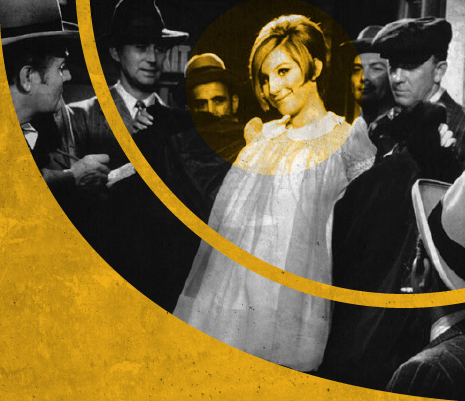
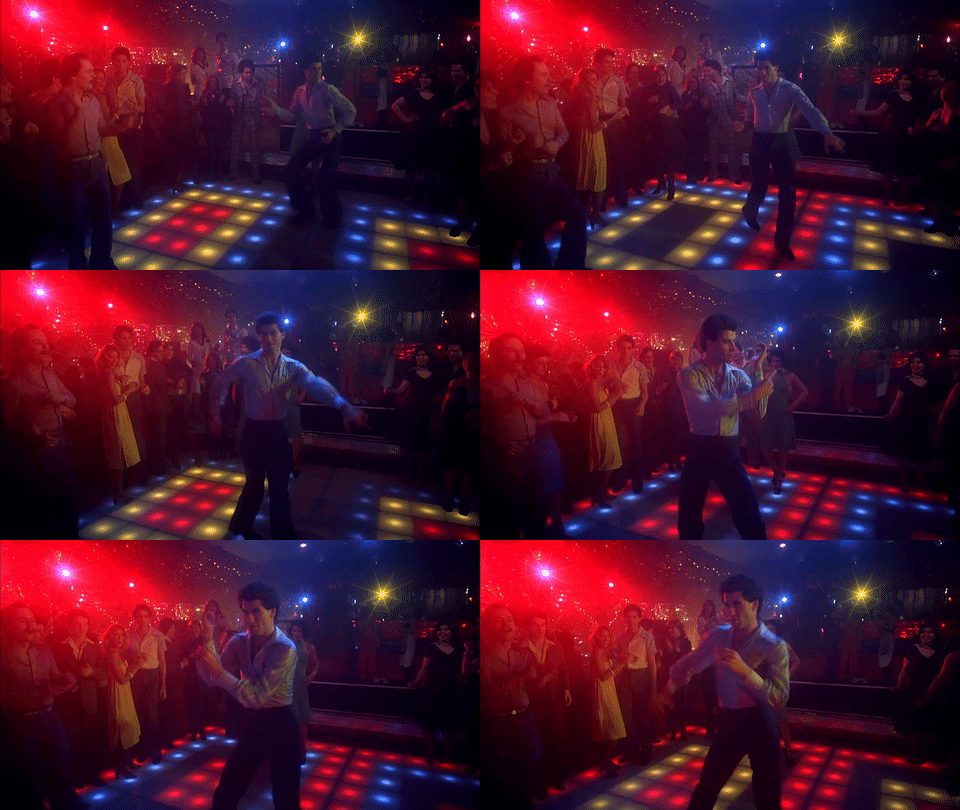
Spreading of television and its organized production capabilities enabled audiences to have more choice, forcing cinemas to fight against TV with film productions that clearly outclassed anything could be seen on the home screen. Movies in cinemas become more mature, avant-garde, foreign films started to appear in US cinemas, and distribution rights were in flux. With innovations from the directors such as Hitchcock, Curtis, Munroe, Bardot and Taylor, industry of film was elevated on the new level. Toward the end of this era, Hollywood explored mature themes that formed the MPAA association.
The decades following the decline of the studio system in the 1960s saw changes in the production and style of film. Various New Wave movements (including the French New Wave, Indian New Wave, Japanese New Wave, New Hollywood, and Egyptian New Wave) and the rise of film-school-educated independent filmmakers contributed to the changes the medium experienced in the latter half of the 20th century.
In the early 1950s, the proliferation of black-and-white television started seriously depressing North American theater attendance. In an attempt to lure audiences back into theaters, bigger screens were installed, widescreen processes, polarized 3D projection, and stereophonic sound were introduced, and more films were made in color, which soon became the rule rather than the exception. During the 1960s, prices gradually came down, color broadcasts became common, and sales boomed. The overwhelming public verdict in favor of color was clear.