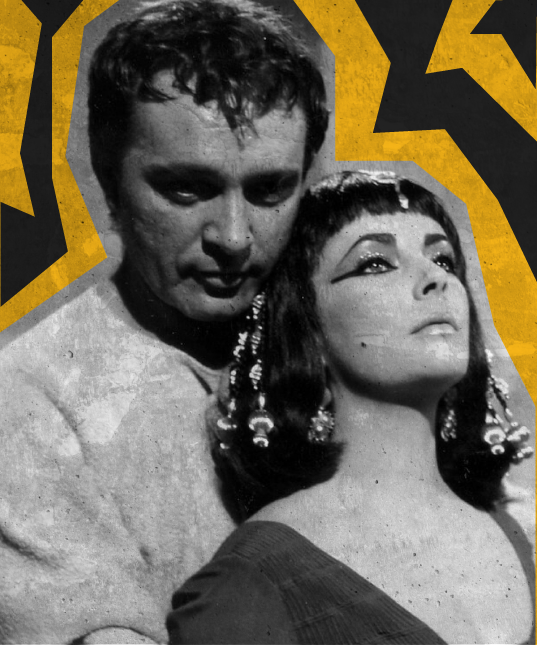
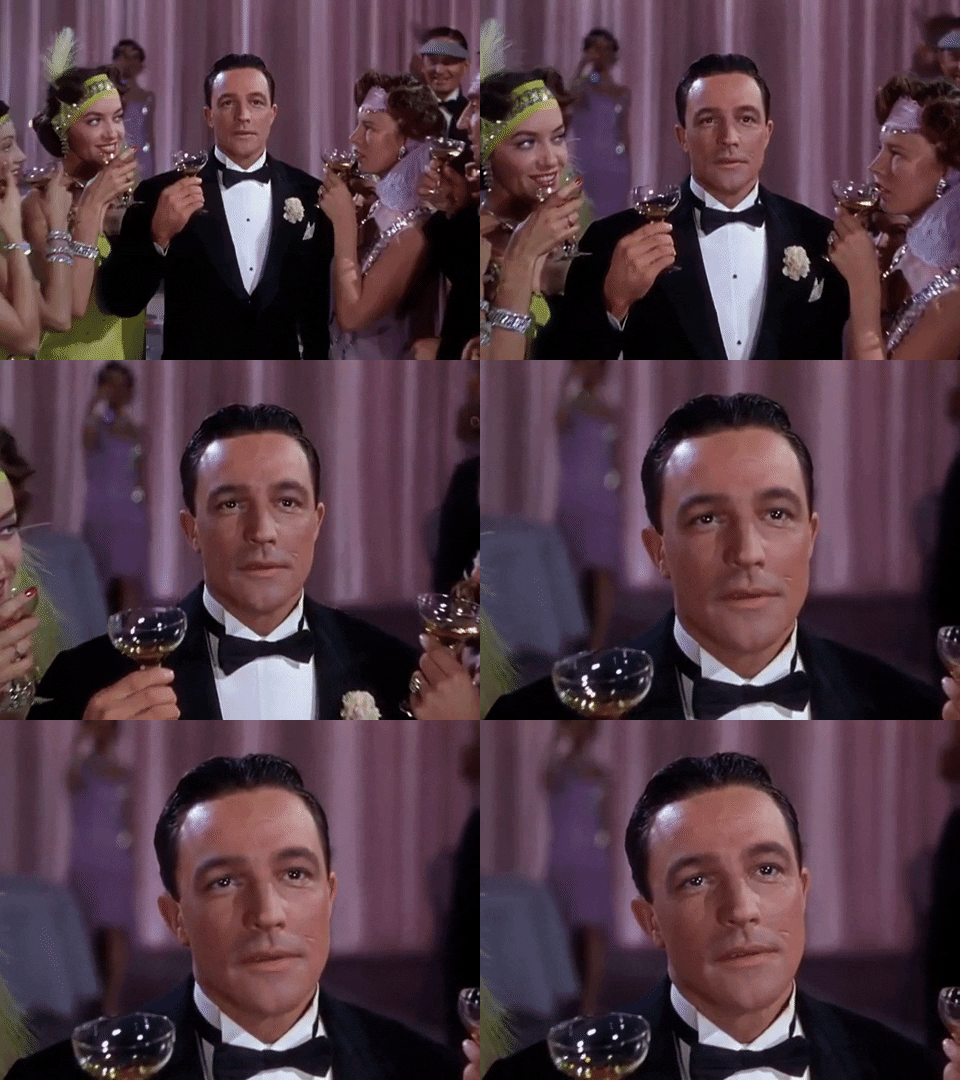
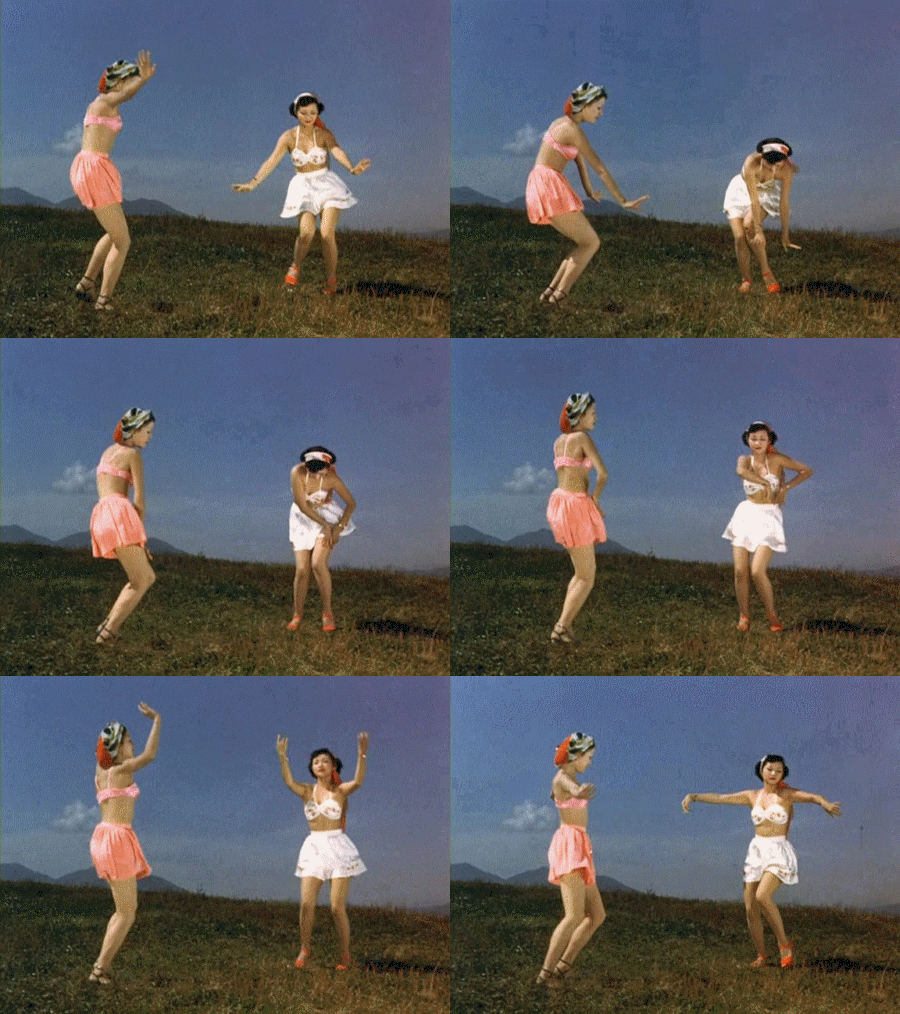
As the Great Depression of 1930s enabled arrival of new audiences and new filmmakers, Word War 2 brought new kinds of movies. With better production values and available film technology, audiences started enjoying comedies, slapstick films, gangster films, with even few science fiction offerings. Stars like Abbott and Costello, Humphrey Bogart, Audrey Hepburn, Fred Astaire and others, Hollywood truly became worldwide phenomenon and trend-setter. During this period, Indian cinema changed significantly and become even more popular and innovative.
The films started getting longer, plotlines were more complex, relatable human characters drove the narratives, artificial lighting and special effects were introduced, and an industry standard was established.
Between 1950s’ and 70s, the cinema viewing experience was made better with the arrival of Cinerama in 1952, followed by Cinemascope in 1957, and Omnimax in 1970.
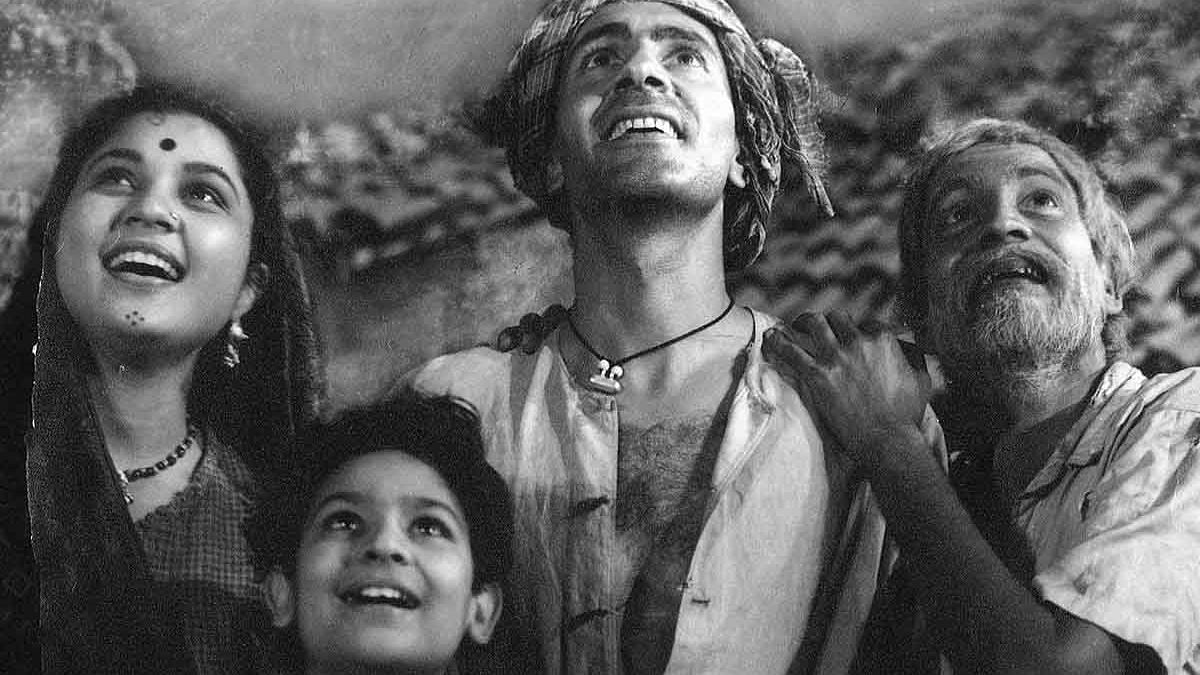
This period was also marked as the Golden Era for Indian Cinema or Bollywood with the most critically acclaimed films of all time like Raj Kapoor’s ‘Awaara’, Guru Dutt’s ‘Pyaasa’, ‘Kagaz Ke Phool’ and various other Bollywood classics produced between 1950 and 1960. ‘The Apu Trilogy’ by Satyajit Ray, caught the attention of global audiences through international film festivals.