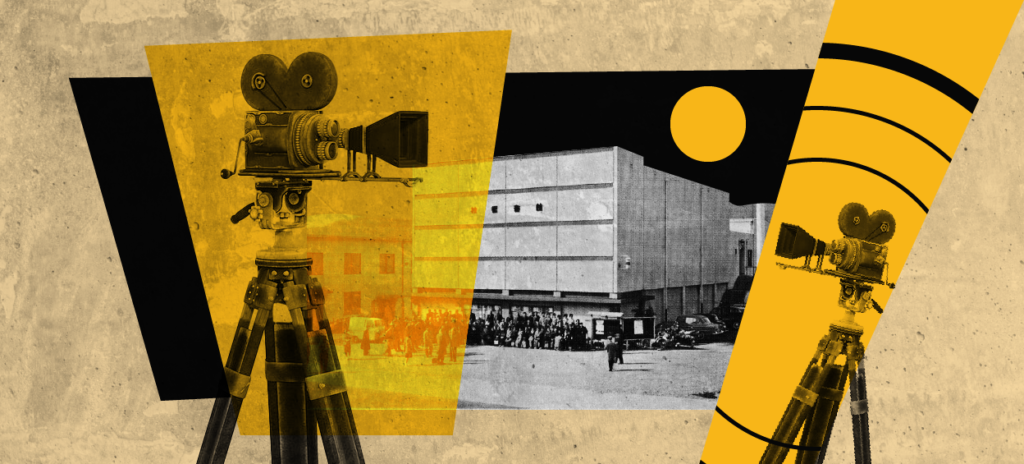
1927 was the year Hollywood reinvented itself with the release of Warner Bros bold experimentation with “The Jazz Singer”, first feature-length sound movie created and promoted in the US. This great change enabled theaters to grow, new movie genres to be made (horror and monster movies), bigger stars to appear on silver screen, and expensive productions to enable creation of movies that challenged the impossible. Five big Hollywood studios reigned supreme, with Europe and India creating their own large markets filled with talented filmmakers. However, arrival of WW2 changed everything.
It all starts with what will always be known as the Big Five studios. These were five major film studios that were responsible for the classical Hollywood system. They included Metro-Goldwyn-Mayer, Warner Bros., Paramount, Fox, and RKO. All of which were “vertically integrated” meaning that production, distribution, and exhibition were handled “in-house.”
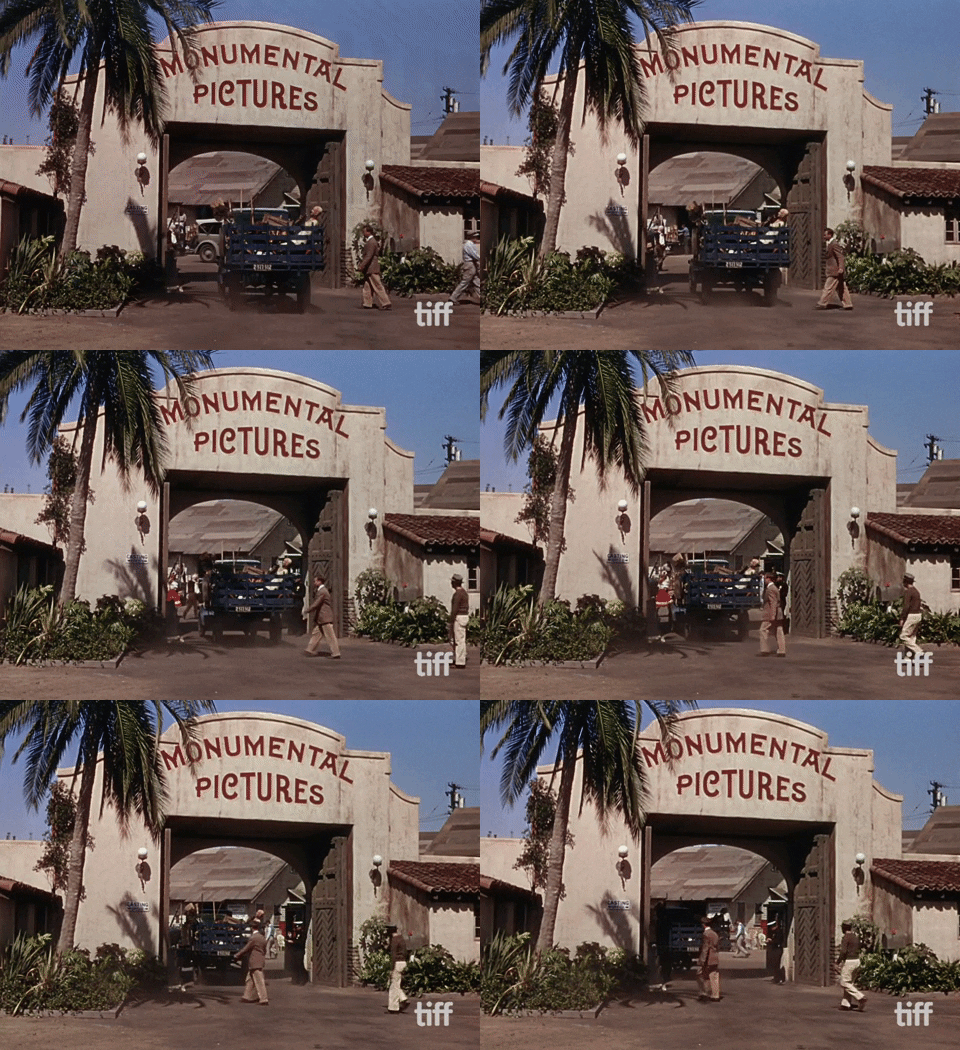
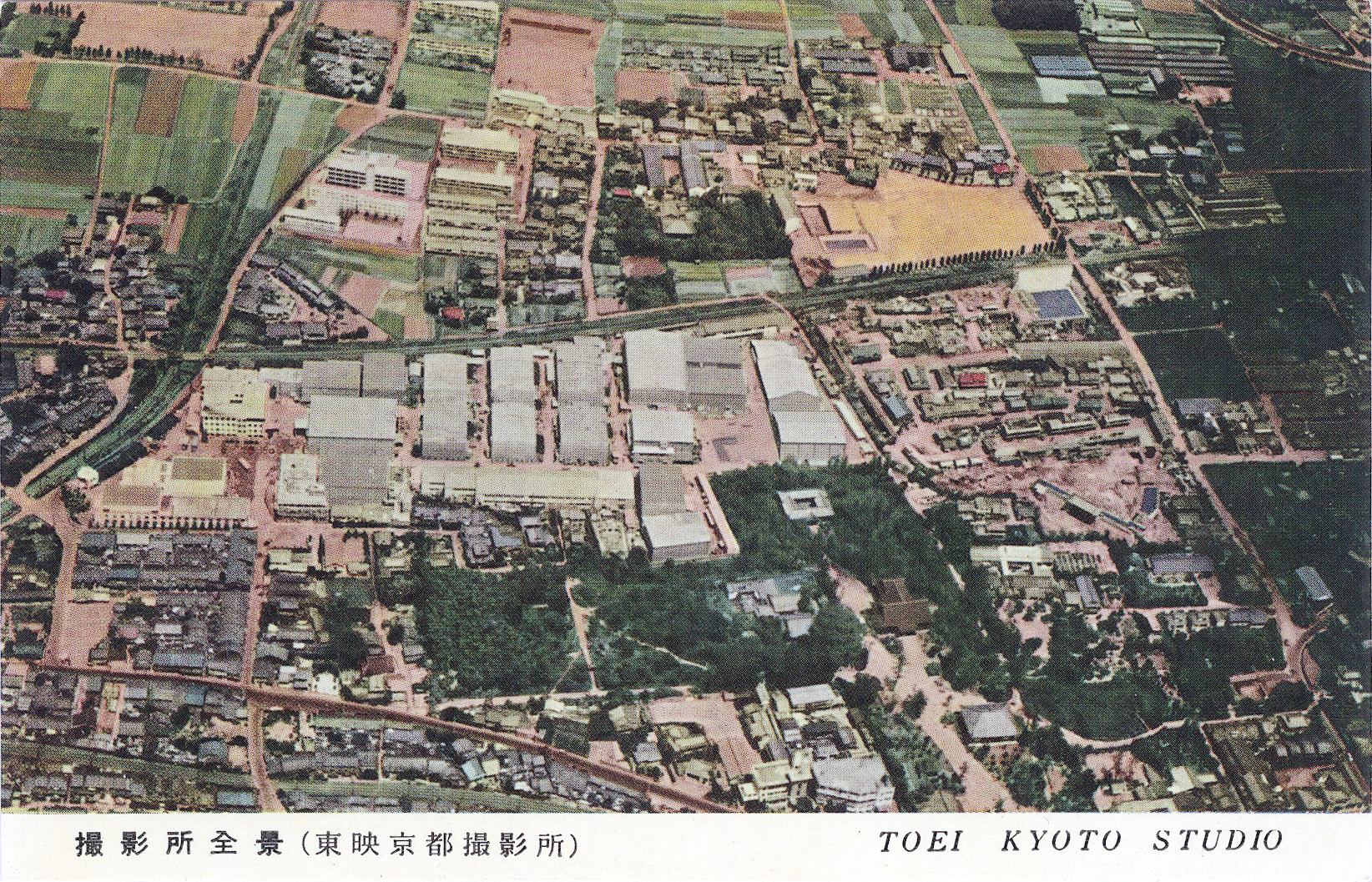
By the 1950s, the physical components of a typical movie studio had become standardized. Since then, a movie studio has usually been housed inside a “studio lot,” a physically secure compound enclosed by a tall perimeter wall. This is necessary to protect filmmaking operations from unwanted interference from paparazzi and crazed fans of leading movie stars. Movement in and out of the studio lot is normally limited to specific gates (often capped with grand decorative arches), where visitors must stop at a boom barrier and explain the purpose of their visit to a security guard.
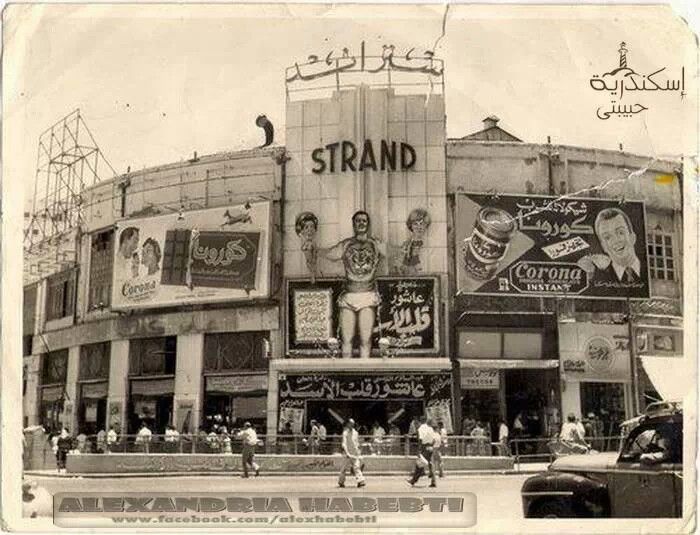
The Strand Theater in Alexandria, Egypt
A depiction of a movie studio in Singin' in the Rain (1952)