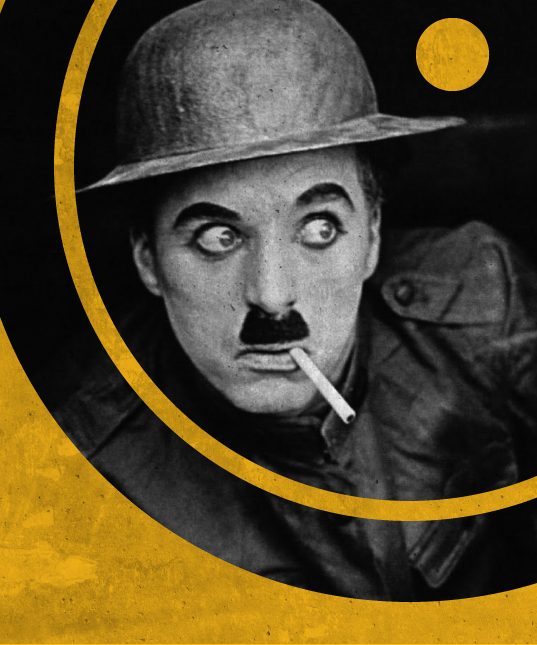
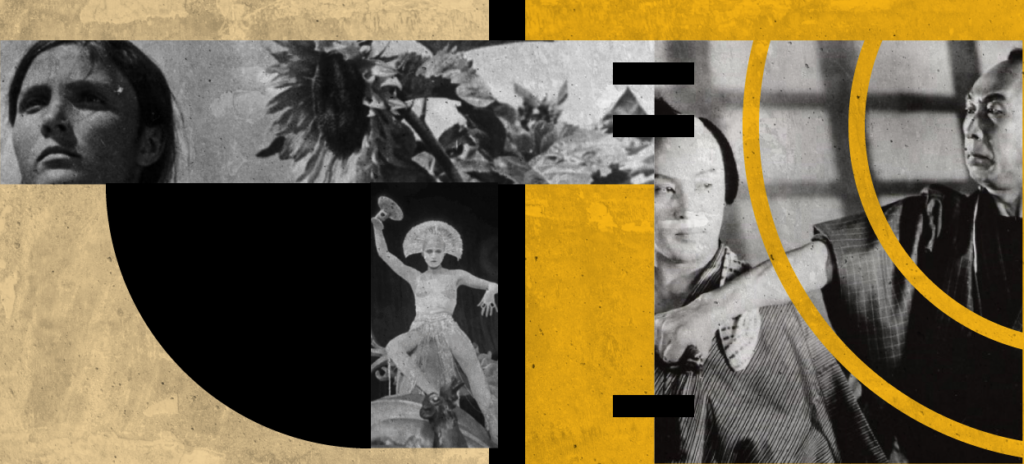
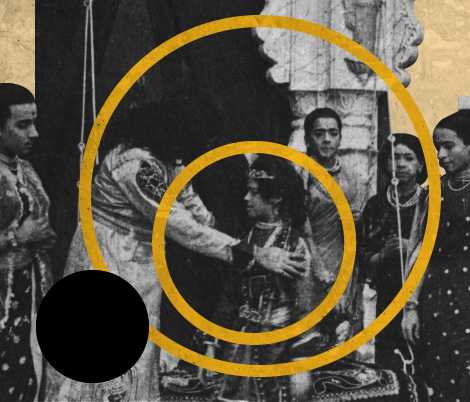
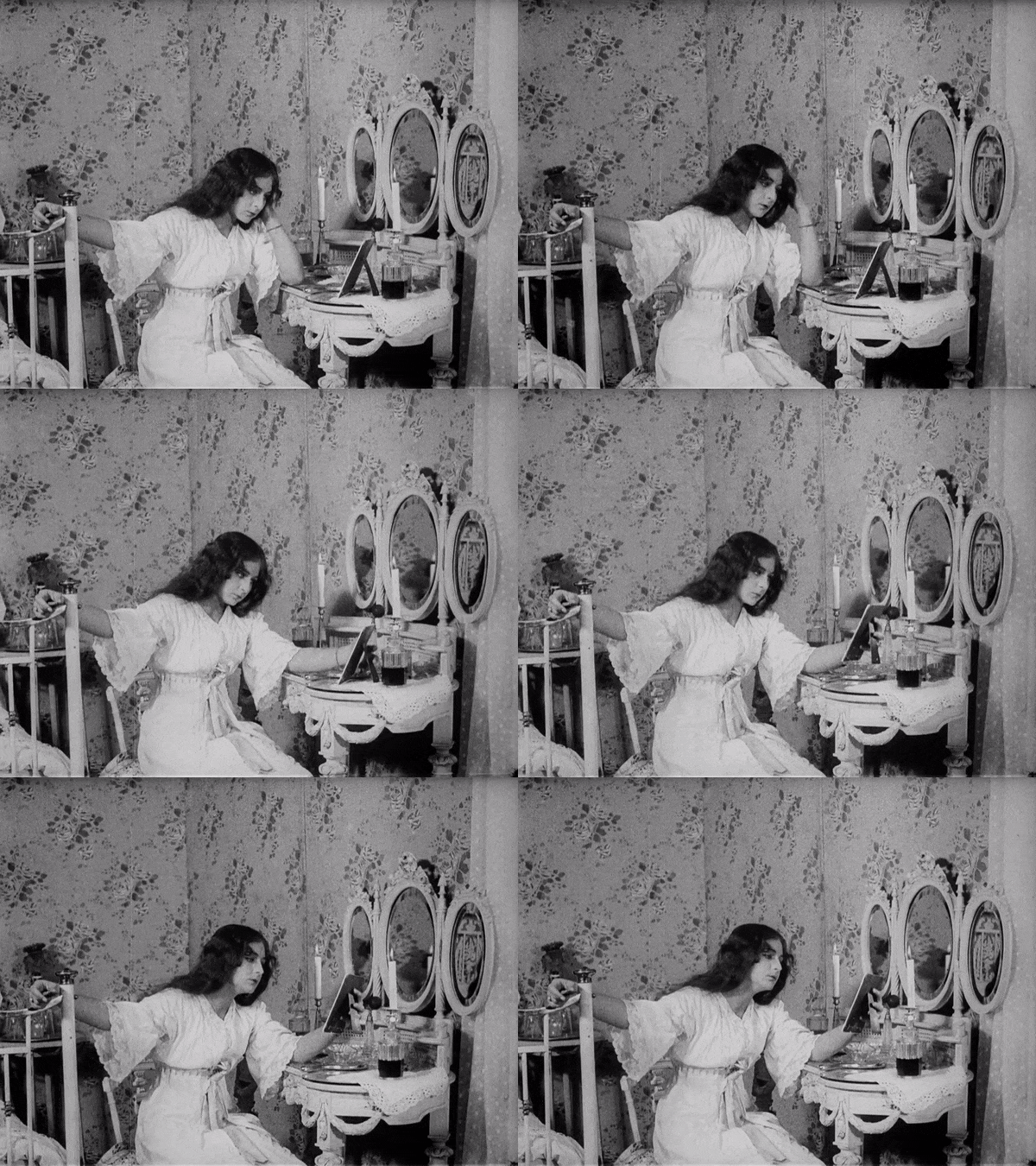
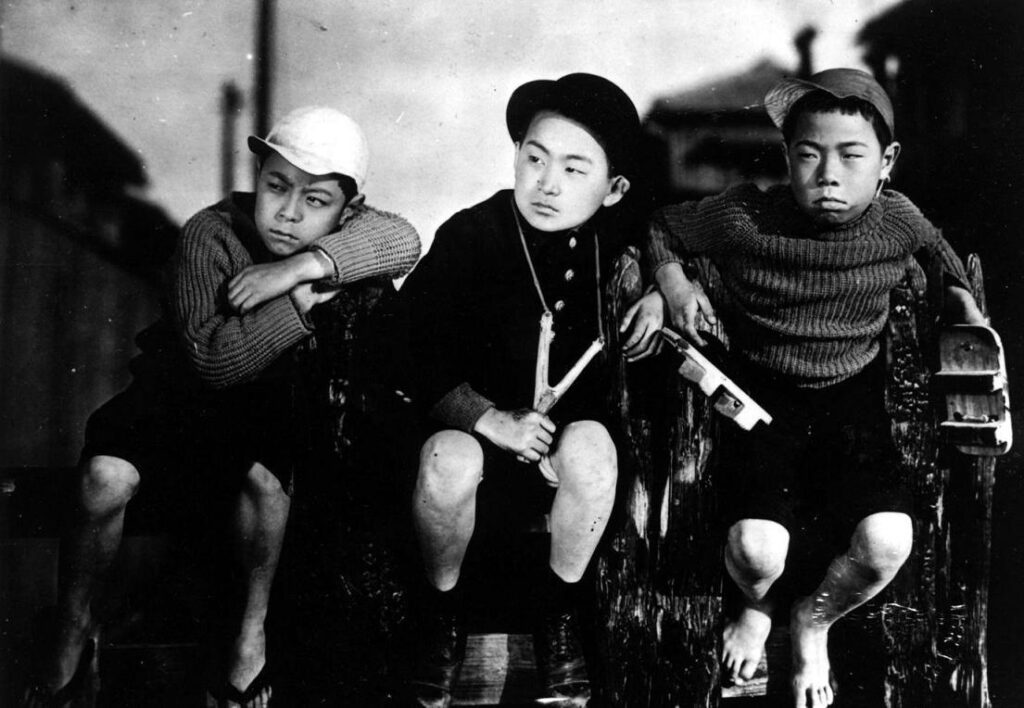
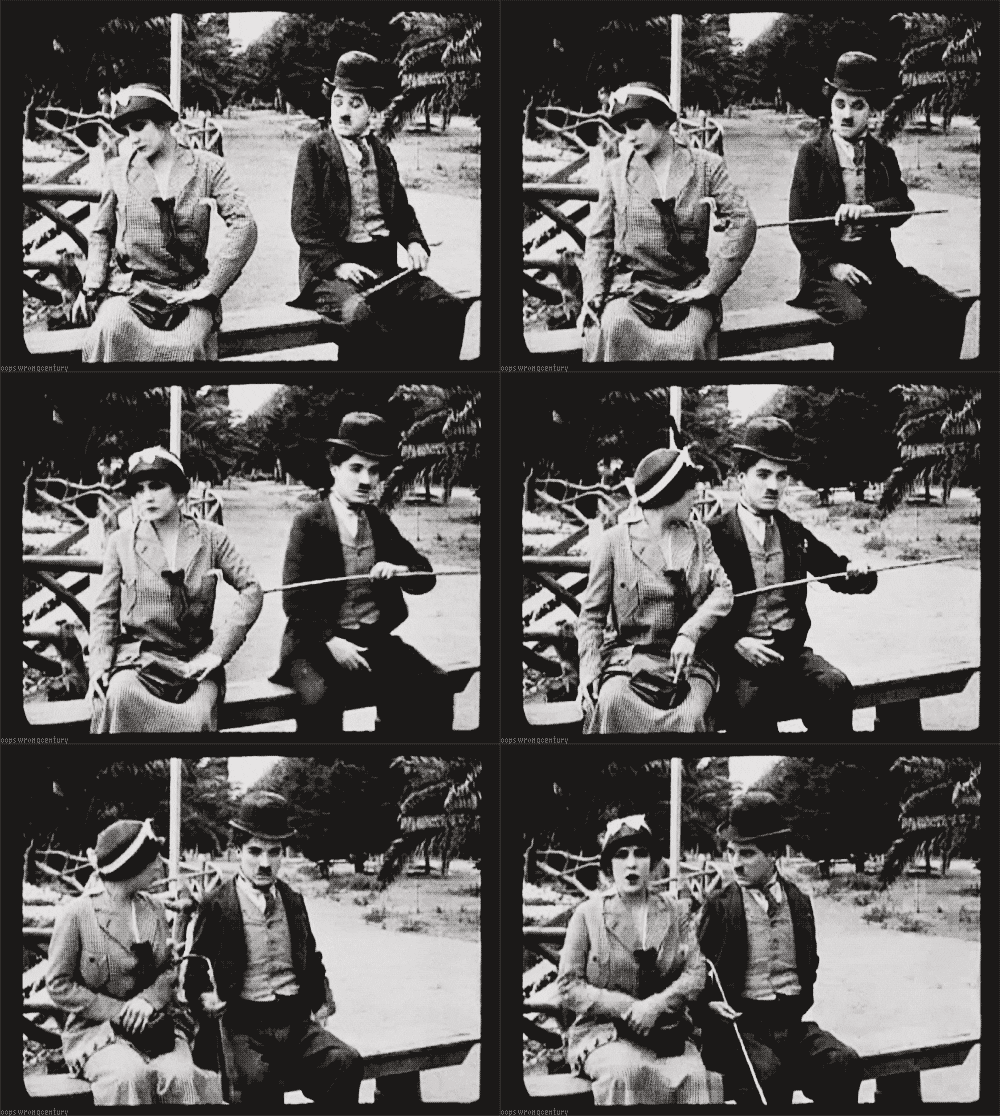
With American filmmakers starting their organized production, silent movies became very popular in both US and Europe. Film started being longer, slightly edited, they used minimal sound effects and musical tracks (no dialogue yet), and emphasis on professional- made narrative drama, romances and comedies. One of the largest stars from this period of film industry was phenomenal Charlie Chaplin.
Powered by the rising public interest, large profit margins and sudden wave of technical inventions, industry of motion pictures begun spreading its influence since mid-1880s. During the first 11 years of their existence in commercial market from 1895 to 1906, silent movies created foundation for future establishment of movie studios, worldwide known stars and early film grammar. Silent movies of those initial years were filmed in one shot, fixed nonmoving camera, often with one person that was sometimes helped by few assistants, and by the end they expanded to the length of several minutes by using the production of professional companies.
Pioneers of early silent movie era were based almost exclusively in Europe. French Lumière Company sent their cameramen on all four sides of world to record over 1000 newsworthy events, Frenchman Georges Méliès managed to produce astounding amount of movies (beating the entire France production for a time). His fame and popularity rose greatly because of his use of special trick effects which were instrumental in creation of some of the most popular movies of his time (such as famous 14 minute long science fiction film “A trip to the moon” from 1902). Another notable film producers were Frenchman Charles Pathé (who in 1905 owned the largest film company in the world), and Englishman Robert W. Paul, James Williamson and G.A. Smith who all had great influence in United Kingdom.